
 020 3744 3778
Unleashing the Potential of Your Orchids
Posted on 20/05/2025
Orchids have captivated plant enthusiasts for centuries with their dazzling diversity, intricate blooms, and exotic allure. Unleashing the full potential of your orchids requires more than just watering and occasional sunshine--it calls for a deep understanding of their unique needs, habits, and personalities. Whether you're a novice grower or a seasoned aficionado, this detailed guide will arm you with knowledge and strategies to unlock the beauty and vigor hidden in your orchids.
Understanding Orchid Basics
While there are more than 25,000 recognized orchid species, these fascinating plants share several core characteristics that define their care. Knowing how to interpret your orchid's signals and support its environment is the first step in bringing your plants to their full bloom potential.
The Orchid Family: Diversity and Beauty
- Phalaenopsis (Moth Orchids): Popular for their long-lasting flowers and forgiving nature, great for beginners.
- Cattleya: Known for large, frilly blooms and intense fragrance.
- Dendrobium: Ranging from compact to tall, with blossoms that vary widely in color and form.
- Oncidium (Dancing Lady): Famous for branching sprays and flower "dancing" in breezes.
- Paphiopedilum (Lady Slipper): Renowned for slipper-like pouches and striking foliage.
Each type has specific preferences for light, humidity, and potting media. Success in unleashing the potential of your orchids starts with recognizing these differences.
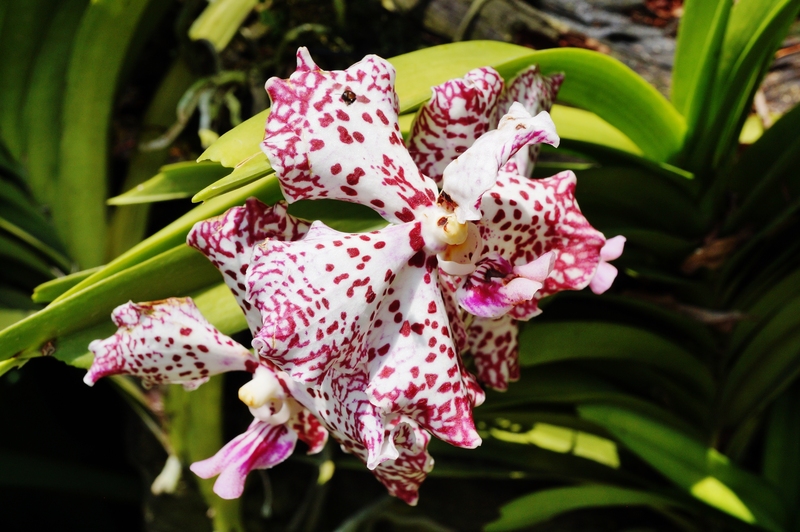
Creating the Ideal Orchid Environment
Orchids, in their natural habitat, thrive in humid, dappled light under the forest canopy. Replicating these conditions at home lays the groundwork for robust health and stunning blooms.
Light: The Spark of Growth
- Understanding Light Requirements: Most orchids need bright, indirect light to flourish. Direct sun can scorch leaves, while too little leaves them underachieving.
- South or East-Facing Windows: These spots often provide the best light levels. Use sheer curtains to diffuse intensity.
- Artificial Lighting: If natural light is scarce, full-spectrum LED grow lights can supplement and enhance growth.
Humidity: A Key Ingredient
- Optimal Humidity Levels: Orchids generally prefer 50-70% humidity.
- Humidity Trays: Place water-filled trays with pebbles under pots to subtly increase moisture in the air.
- Grouping Plants Together: Cluster orchids and other tropical plants to enhance collective humidity.
Air Circulation and Temperature
- Air Movement: Gentle fans prevent stagnant conditions and reduce the risk of fungal diseases.
- Temperature Ranges:
- Phalaenopsis: 65-80?F (18-27?C) daytime, 60-65?F (16-18?C) nighttime.
- Cattleya: Enjoys slightly cooler night temperatures.
- Avoid exposing orchids to cold drafts or sudden temperature dips, as these can stunt growth.
Watering Orchids: Techniques for Success
Underwatering can leave your orchids dehydrated, while overwatering is the leading cause of root rot--a common killer. Unleashing your orchid's potential hinges on mastering the art of watering.
How Often Should You Water Orchids?
- Check the Potting Media: Water when the mix is almost dry but not completely parched.
- Seasonal Adjustments: Orchids use more water in summer growth periods and less during winter dormancy.
Tip: Water in the morning to allow foliage to dry, repelling bacterial and fungal problems.
Water Quality Matters
- Use Rainwater, Distilled, or Reverse Osmosis Water: Avoid the salt buildup and harsh minerals found in some tap waters.
- Avoid Sitting in Water: Ensure pots have excellent drainage. Never let roots sit in stagnant water; this suffocates and rots them.
Fertilizing: Feeding for Flourish
To truly unlock the full potential of your orchids, a regular, balanced feeding regimen is essential. Orchids are lighter feeders than many other houseplants, but they still thrive on consistent nourishment, especially during growth and flower spikes.
Choosing the Right Fertilizer
- Balanced Fertilizer: Look for a formula with equal N-P-K values (such as 20-20-20).
- Weakly, Weekly: Fertilize at 1/4 to 1/2 strength--better to underfeed than overdo it.
- Flush Monthly: Remove fertilizer residue by running clean water through your pots once a month.
Bloom Boosters for Flower Production
- Use a "bloom booster" high in phosphorus (the 'P' in N-P-K) to encourage spikes and blossoms, especially during anticipated flowering periods.
Potting Media and Repotting: Foundation for Health
Orchids rarely thrive in traditional potting soil. Their aerial roots demand air circulation, drainage, and a substrate that mimics their wild environments. Using the correct media and repotting regularly are pivotal in unleashing orchid potential.
Choosing Potting Media
- Bark Mixes: The classic choice--fir, pine, or coconut husk chunks mixed with perlite or charcoal.
- Sphagnum Moss: Holds more water, ideal for miniatures or environments with less humidity.
- Expanded Clay Pellets: Allow maximum aeration for roots.
When and How to Repot Orchids
- Repot every 1-2 years, or sooner if the medium breaks down or the plant outgrows its container.
- Best time: After flowering, during the new root or leaf growth phase.
- Trim away dead roots and discard old medium.
- Choose a snug (not cramped) new pot with excellent drainage.
Pruning and Propagation: Shaping Future Blooms
Proper pruning is crucial for redirecting the orchid's energy and enhancing subsequent blooms. Exploring propagation can help expand your collection and share the joy of orchids with others.
Pruning Techniques
- After Blooming: Trim faded spikes on Phalaenopsis just above a node to stimulate a secondary flush, or cut at the base for a rest period.
- Remove Dead Leaves and Roots: Always use sterilized tools to avoid pests or disease transfer.
How to Propagate Orchids
- Division: Mature sympodial orchids (like Cattleyas or Dendrobiums) can often be split into new plants.
- Keikis: These baby plantlets sometimes form on flower spikes, especially in Phalaenopsis and Dendrobium; pot them up once roots are established.
Solving Common Orchid Problems
Many orchid challenges can be traced to deficiencies in care. Understanding symptoms and solutions helps you keep your beauties in peak condition and unlock their potential.
Pest Management
- Mealybugs and Scale: Remove manually with a cotton swab dipped in alcohol or use gentle insecticidal soap.
- Spider Mites: Increase humidity, shower leaves, or use horticultural oils.
Disease Solutions
- Root Rot: Caused by overwatering--trim damaged roots, repot, and reduce watering frequency.
- Leaf Spots/Fungi: Prune affected leaves, improve air circulation, and, if needed, use a fungicide minimally.
Why Won't My Orchid Bloom?
- Insufficient Light: Leaves should be bright green, not dark--move closer to light if needed.
- Temperature Issues: Some orchids require a cool nighttime dip to trigger flower spikes.
- Improper Feeding: Use a bloom booster during expected blooming periods.
Advanced Orchid Care: Pushing Boundaries
Once you've mastered the basics, take your expertise further to truly unleash the hidden potential of your orchids.
Experiment with Lesser-Known Species
- Try your hand at rare species like Miltoniopsis, Bulbophyllum, or Coelogyne for dazzling variety.
Master Blooming Cycles
- Keep year-round logs of bloom times, fertilizer changes, and environmental shifts to optimize future flowering.
Orchid Displays and Mounting
- Showcase epiphytic orchids mounted on bark, driftwood, or slabs for a dramatic, natural look.
Benefits of Growing Orchids
Unlocking the potential of your orchids delivers more than just captivating flowers:
- Stress Reduction: Tending to living orchids soothes the mind and enhances mindfulness.
- Air Quality: Orchids help purify and humidify the home environment naturally.
- Creativity and Learning: Growing orchids challenges your skills and offers endless room for experiment and growth.

Frequently Asked Questions
How long can orchids live?
With proper orchid care, these plants can live for decades, rewarding owners with blooms year after year.
Do orchids need direct sunlight?
No. Most thrive in bright, indirect light. Direct sun usually burns their leaves.
Why are my orchid's leaves wrinkled or limp?
This typically indicates dehydration or root problems. Check watering frequency and root health.
Is it hard to make orchids rebloom?
With understanding of light, temperature and feeding, most orchids will rebloom reliably. Phalaenopsis especially can reflower several times a year when properly managed.
Conclusion: Unlocking Your Orchid's Brilliance
Unleashing the full power and beauty of your orchids is both an art and a science. Thoughtful attention to light, humidity, water, nutrition, and regular care will reveal growth and blooms beyond your expectations. Along the way, your connection to these exquisite plants will deepen, offering years of color and joy. Embrace the journey, experiment, and celebrate every leaf and blossom--your diligence will soon be rewarded in the thriving beauty of your living collection.
Start today--discover just how much potential lies in every orchid you grow!
Latest Posts
A Delightful Dive into Container Gardening
3 Tips to Enhance Your Weed Management Skills
Explore Peaceful Living with Zen Garden Inspirations